
Financial Vital Signs: Navigating the 2026 Energy Crisis as a PRN Nurse
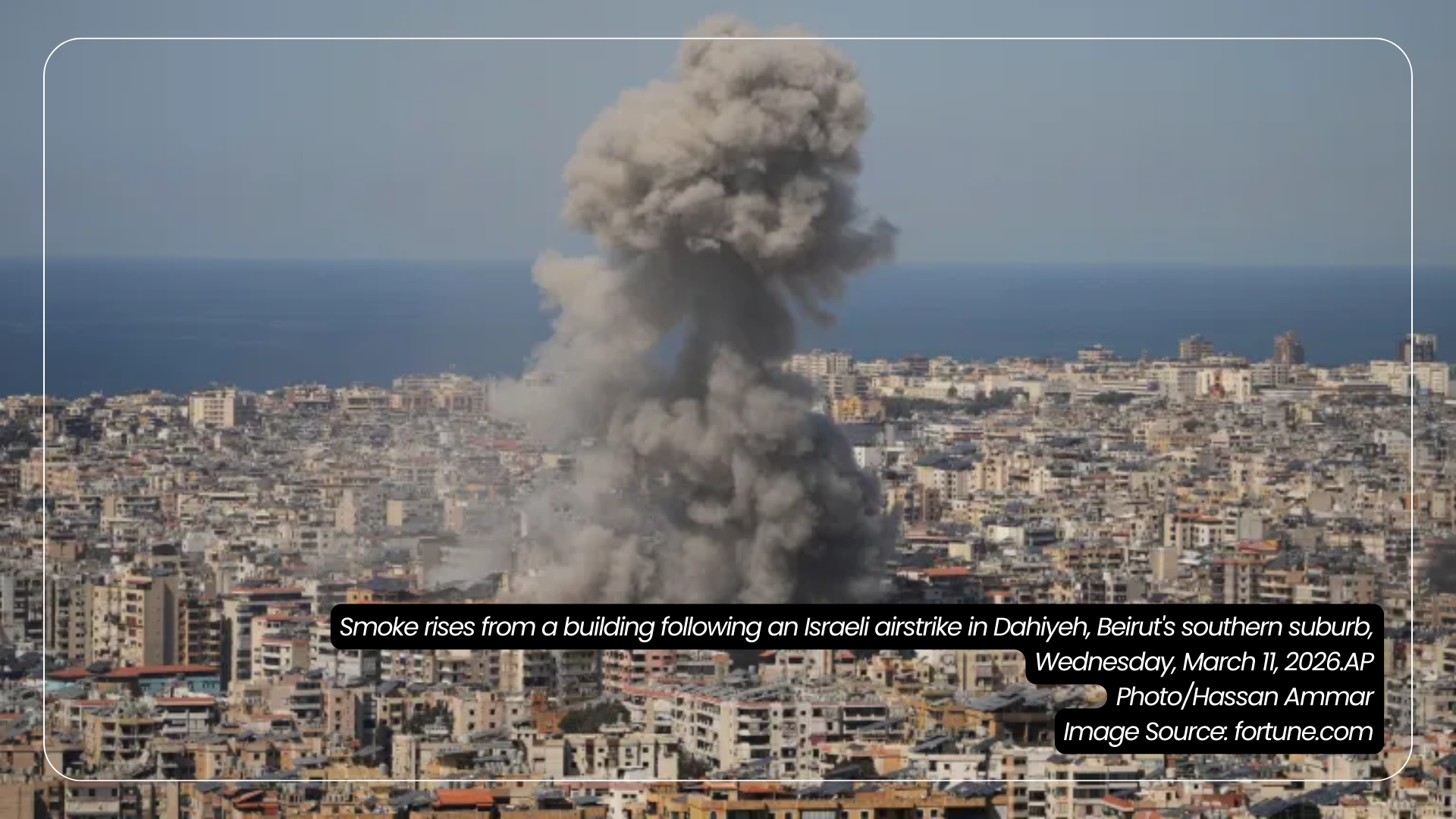
The current global landscape is shifting rapidly, and as we navigate these uncertain times, it is essential to look closely at how international events are impacting our wallets. The ongoing tensions in the Middle East, particularly involving major energy corridors, have sent ripples through the global economy that directly affect gas prices, investment strategies, and foreign exchange rates. For registered nurses and those working in PRN or per diem roles, understanding these financial shifts is key to maintaining a flexible and secure lifestyle.
The Reality at the Gas Pump
One of the most immediate effects of the current conflict has been the volatility in the energy market. With the Strait of Hormuz, a vital chokepoint for about 20% of the world's oil and liquefied natural gas, facing significant disruptions, we have seen crude oil prices experience dramatic swings. In early March, prices briefly surged near $120 per barrel before stabilizing in the $90 to $100 range.
For RNs and PRN nurses who often commute to multiple facilities or take on high-paying shifts in different regions, these numbers translate directly to higher costs. According to recent data, average gas prices in the United States have already climbed significantly, often jumping as much as 50 cents in a single week. When your livelihood depends on travel and flexibility, these rising overhead costs require a closer look at mileage tracking and fuel efficiency to ensure your take-home pay remains robust.
Strategic Investing in a "Safety and Security" Market
The investment landscape in 2026 has shifted toward a theme of safety and security. Investors are moving away from high-risk growth stocks and toward assets that offer resilience. Historically, gold and government bonds have been the "safe havens" during times of conflict, and that trend continues today.
We are also seeing a growing focus on companies that enhance national and digital resilience, such as cybersecurity firms and infrastructure providers. For those of us in the healthcare sector, this is a reminder to review our retirement accounts and portfolios. Diversification is more important than ever. While the market may feel unstable, focusing on long-term stability and defensive sectors can help protect your savings from the "stagflation" shocks that often accompany energy crises.
Foreign Exchange and the Strength of the Dollar
In times of global instability, the U.S. Dollar typically sees increased demand as a safe-haven currency. We have observed broad USD strength against other major currencies like the Euro and the Philippine Peso. For instance, the USD to PHP exchange rate has recently hovered around the 59.26 mark.
While a strong dollar can be beneficial for those of us earning in USD and traveling or sending money abroad, it also contributes to global inflation. As the cost of importing goods increases for other nations, the prices of everyday items, from medical supplies to groceries—can continue to climb. For PRN nurses, this might mean that the "high-paying" hourly rate you negotiated last year does not go as far today. It is a critical time to reassess your financial goals and ensure your compensation keeps pace with the current cost of living.
Actionable Financial Steps for Nurses
To stay ahead of these economic shifts, we recommend a few practical steps for our community:
First, prioritize your emergency fund. Having a liquid cash reserve is the best defense against sudden price hikes or market downturns.
Second, if you are a per diem nurse, consider the distance of your next contract more carefully. With gas prices remaining high, a slightly lower-paying shift closer to home might actually result in more profit than a higher-paying shift with a long, expensive commute.
Finally, keep an eye on the news through a financial lens. By focusing on the data, gas prices, interest rates, and exchange movements, we can make informed decisions that allow us to continue enjoying the freedom and flexibility that the PRN lifestyle offers. We are in this together, and staying informed is the first step toward financial peace of mind."

In our next update, we will dive deeper into how these specific tools can be used to turn financial information into a concrete plan for growth.
SUBSCRIBE TO OUR WEEKLY NEWSLETTER
Then join my Close Friends community for early access to WFD drops, job leads, and real pay breakdowns.
Join here: info.perdiemplug.com/closefriends
Pack smart. Move fast. $12K weeks don’t wait. — Lovely, BSN, RN @perdiemplug